

In this blog we will explore practical strategies for growing and promoting a Health and Safety Culture.
A Health and Safety culture within an organisation is an unseen / invisible phenomenon and it can be difficult to measure, however it creates an atmosphere that can be perceived and felt. The Safety Culture can be good, bad or indifferent and every organisation has one of these characteristics to some degree. Seriously growing and promoting a positive Health and Safety Culture within the organisation is one of the best ways to continuously improve Health and Safety performance.
Fostering a robust Health and Safety Culture is not just a legal requirement but also a moral imperative. A strong Health and Safety Culture ensures the well-being of employees, promotes productivity and enhances the reputation of the organisation.

The term ‘Safety Culture’ first appeared in the 1987 OECD Nuclear Agency Report (INSAG, 1988) on the 1986 Chernobyl disaster. Since then, numerous definitions of ‘Safety Culture’ abound in academic safety literature with all of them identifying its importance and significance to an organisations ability to manage the safety related aspects of its operations.
The HSE defines a Health and Safety culture as below:
‘Safety culture is often referred to as ‘the way things are done around here’. It’s a combination of the attitudes, values and behaviours held within an organisation, as well the management systems and procedures that influence how something is really done, rather than how it should be done’. (Health and Safety Executive)
‘Safety culture is often referred to as ‘the way things are done around here’. It’s a combination of the attitudes, values and behaviours held within an organisation, as well the management systems and procedures that influence how something is really done, rather than how it should be done’. (Health and Safety Executive)

Senior Management should and need to lead the way in Health and Safety. What’s more Safety should be treated as a value in an organisation not as a priority. Values are permanent and are not compromised upon, whereas priorities move up and down. It’s this type of attitude from the top that should permeate the rest of the organisation.
Visible Leadership
Once you have committed to growing and promoting a positive Health and Safety Culture your team/ employees need to see that you are putting your money where your mouth is. They need to see that commitment is clearly demonstrated.
It’s not just about wearing your PPE or following the rules. It’s also about enforcing the rules and dealing with safety issues on a proactive basis as and when they occur. And again, this should come from the top down. Senior management need to show an active involvement in managing the Health and Safety issues and show that they care about their safety duties to their employees.
As a leader If you disregard health and safety rules and act like they don’t apply to you, your employees will follow that example. Or maybe they don’t see why they should follow the rules if you don’t. If you put rules in place but don’t follow through by providing the controls needed or enforcing them then people won’t take the rules seriously. If you say ‘safety first’ but bend the rules when there is a deadline approaching, you undermine your own message and the culture. Afterall there is a huge difference in saying something and doing it.
So leadership needs to come from the top, follow the rules and follow through on what you say. Here are some suggestions.
- Start out with Safety Moments in your meetings
- Include Health and Safety as the most important agenda item at your meetings
- Engage and collaborate and talk /discuss Health and Safety
- Carry out Inspections and audits
- Take incidents seriously and manage them proactively.
- Ensure your risk assessments are up to date for your work activities
- Monitor and measure Health and Safety performance
Good Communication
Those businesses that have a positive Health and Safety Culture, Health and Safety is discussed at all levels within the organisation.
Since Health and Safety is everyone’s responsibility your health and safety culture and the performance are the combined efforts of everyone concerned. If just one person doesn’t get the message or feels like the rules don’t apply to them, it can damage the health and safety culture of the entire organisation. You are only as good as your weakest link so it’s important the message is clear, and everyone sings from the same hymn sheet.

Plan regular discussions, safety meetings, briefings, and toolbox talks. Discuss health and safety at management meetings. Discuss it during workplace walkarounds. Use every opportunity to engage people, to deliver the message, and to get feedback.
- Maintain a clear Health and Safety policy
- Communicate rules and procedures
- Make sure procedures are simple, clear and user friendly
- Include Health and Safety in meetings at all levels
- Regularly discuss Health and Safety issues
- Ensure policies are regularly reviewed and updated
Involvement of Employees
Needless to say, to grow and promote a positive health and safety culture people need to be involved. When you engage your employees and get there buy in, increase participation, respect their feedback for improvement you ultimately empower them. They feel important and very much part of the effort of creating rules and procedures and therefore will take ownership for any related initiatives. Employees shouldn’t be made to feel that Health and Safety is being forced upon them, but they should feel equally responsible for maintaining a safe working environment.

Training and Education
Provide comprehensive training and education to employees on the health and safety topics relevant to their roles and responsibilities. Offer refresher courses, toolbox talks and safety briefings to reinforce key concepts and promote a culture of continuous learning.
Risk Assessment and Management
Conduct regular risk assessments of the workplace to identify potential hazards and assess the associated risks. Implement control measures to mitigate identified risks and ensure that employees are aware and adhere to the safety protocols.
Promoting reporting and Feedback
Encourage employees to report near misses, incidents, hazards and use the information gathered to identify trends, root causes and opportunities for improvement.
Continuous Growth
Building a positive Health and Safety Culture does not happen overnight. It’s a continuous journey which takes time and patience to fully mature and maintain. As we have observed growing and promoting a strong Health and Safety Culture requires dedication, leadership and active participation from all levels of the organisation. However, a Health and Safety culture can easily be damaged if bad practices are not dealt with and allowed to a creep in.
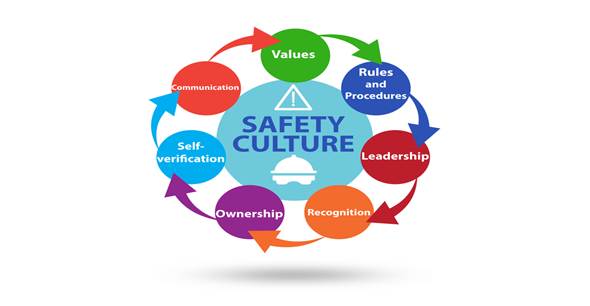
To keep growing one must keep on top of the fundamentals. This includes:
- Ensure Safety is everyone’s responsibility
- Train your staff in Health and Safety
- Investigate all incidents/ accidents and problems
- Act on recommendations form incident reports
- Learn from mistakes and avoid repeated mistakes
- Monitor and measure your performance
By following the right strategies and embracing a proactive approach you will be able to create a safer and healthier workplace for employees whilst also achieving the regulatory compliance necessary.
This article was written by Kamran Qureshi who is a Chartered Health and Safety Professional and has over 25 years of experience in Construction Health and Safety.